A flower garden is more than just a collection of colorful plants; it is an art form that involves careful planning, thoughtful selection, and a bit of creativity. Whether you’re designing a garden from scratch or looking to refresh your current space, understanding the different types of flowers available and how to combine them is essential for creating a beautiful and harmonious garden. In this article, we’ll explore a variety of flower types, from wildflowers to tropical blooms, and provide practical tips for designing the perfect flower garden that will bloom year after year.
1. Understanding the Different Types of Flowers
To create a stunning garden, it’s essential to understand the various categories of flowers available. Each type has its own unique features and grows in different conditions, which is important to consider when planning your garden. The main categories of flowers that are commonly used in garden designs include wildflowers, perennials, annuals, bulb plants, shrubs, and tropical flowers.
Wildflowers: Celebrating Nature’s Free Spirit
Wildflowers are plants that grow naturally in the wild without human cultivation, often in meadows, forests, or along roadsides. These flowers are known for their natural beauty, resilience, and ability to thrive in a variety of environments. Some popular wildflowers include daisies, buttercups, poppies, and wild orchids. What makes wildflowers so special is that they often grow in clusters, adding a natural, untamed feel to a garden.
Wildflowers tend to bloom in a variety of colors, and many are incredibly low-maintenance. They’re a perfect choice for gardeners who want to create a naturalistic garden that attracts pollinators such as bees, butterflies, and birds. Additionally, many wildflowers are drought-tolerant, making them an ideal option for areas with less rainfall or for gardeners seeking to reduce water consumption.
Perennials: The Backbone of Your Garden
Perennials are plants that return year after year, growing from their root systems. Unlike annuals, which complete their life cycle in a single growing season, perennials offer long-term beauty and structure to your garden. These plants are known for their ability to adapt to changing seasons, making them an excellent choice for gardeners who want a garden that is low-maintenance yet consistently beautiful.
Popular perennial flowers include peonies, irises, asters, and lupines. Peonies, with their soft, fragrant blooms, are perfect for adding a romantic touch to a garden, while irises, with their elegant, sword-shaped leaves and intricate blossoms, bring sophistication and a variety of colors. Lupines, with their tall spiky flowers, add vertical interest to garden beds, while asters are known for their vibrant, late-summer blooms.
Annuals: Colorful and Bright, but Fleeting
Annual flowers are plants that live for only one growing season. They germinate, flower, set seed, and die all within a few months. While annuals don’t offer the same long-term beauty as perennials, they are perfect for adding a burst of color and vibrancy to your garden. These flowers are often known for their bold and bright blooms, and many gardeners use them to fill in gaps or create striking focal points.
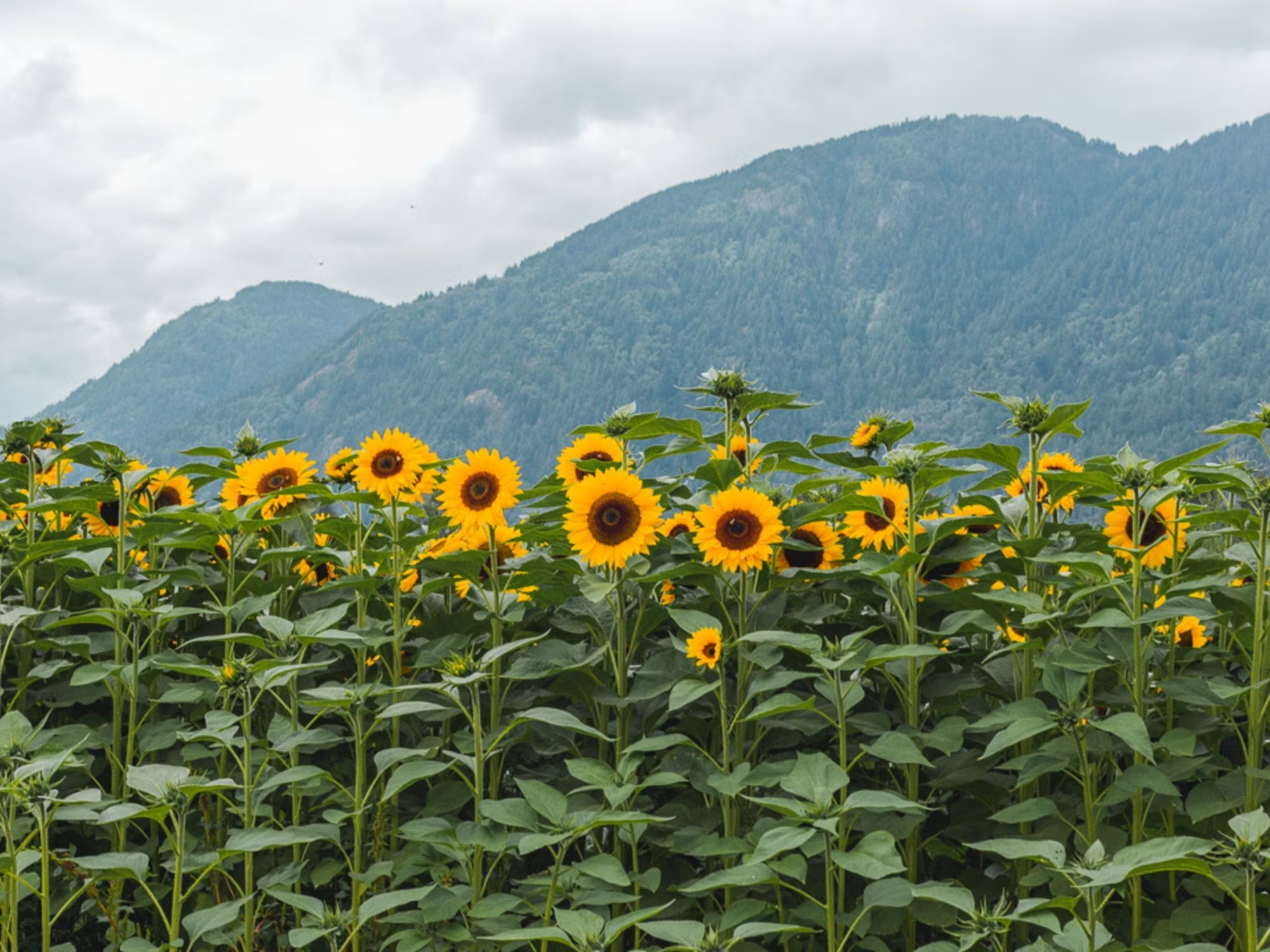
Some of the most popular annual flowers include petunias, marigolds, zinnias, and sunflowers. Petunias, with their soft, trumpet-shaped blooms, come in a range of colors, from pastel shades to bright hues. Marigolds, with their cheerful yellow and orange flowers, are often used to add a pop of color to borders or containers. Sunflowers, with their towering stems and large, golden blooms, bring joy and warmth to any garden. Despite their short lifespan, annuals make a dramatic statement in the garden.
Bulb Flowers: The First Signs of Spring
Bulb plants are another key element of many flower gardens. These flowers grow from bulbs, which are underground storage organs that provide all the nutrients needed for the plant’s development. Bulb flowers are often among the first to bloom in spring, making them a welcome sight after the cold winter months. Popular bulb flowers include tulips, daffodils, crocuses, and hyacinths.
Tulips are perhaps the most iconic of bulb flowers, known for their elegant blooms and wide variety of colors. They are often associated with spring and symbolize perfect love. Daffodils, with their trumpet-shaped flowers, are another symbol of the season’s renewal, while crocuses, which bloom in shades of purple, yellow, and white, are a sign that spring is on its way. Hyacinths, with their fragrant clusters of bell-shaped flowers, add both beauty and scent to the garden. Bulb plants are a great way to kickstart your garden’s growing season.
Shrubs: Adding Structure and Seasonal Interest
Shrubs are woody plants that provide structure and form to a garden. Many shrubs are also flowering plants, adding seasonal interest and beauty. Shrubs like roses, hydrangeas, lilacs, and azaleas bloom year after year, offering a reliable source of color and fragrance. In addition to their flowers, shrubs also offer foliage that can add texture and depth to the garden.
Roses, with their classic beauty and rich fragrance, are perhaps the most beloved of flowering shrubs. They come in a variety of colors, each with its own symbolic meaning. Hydrangeas, with their large, round clusters of flowers, create a stunning visual display in gardens, with some varieties changing color based on the soil’s pH. Lilacs, with their sweet fragrance and delicate purple blooms, are perfect for creating a romantic or nostalgic atmosphere in the garden. Azaleas, with their vibrant blooms, brighten up gardens in early spring.
Tropical Flowers: Exotic Appeal and Bold Colors
Tropical flowers are known for their vibrant colors and exotic beauty. These flowers thrive in warm, humid climates, and their striking appearance makes them stand out in any garden. Popular tropical flowers include hibiscus, bird of paradise, plumeria, and orchids. These flowers are perfect for creating a lush, vibrant, and tropical garden atmosphere.
The hibiscus, with its large, colorful blooms, is a symbol of beauty and femininity. Its bright red, yellow, or pink flowers create a bold statement in the garden. Bird of paradise, with its dramatic shape resembling a bird in flight, is another tropical favorite, known for its striking orange and blue petals. Plumeria, often associated with island paradises, produces waxy, fragrant flowers in shades of white, pink, and yellow. Orchids, with their delicate and intricate blooms, are a favorite in tropical gardens, adding elegance and sophistication.
Design Tips for Combining Flowers
Now that you’re familiar with the various types of flowers, the next step is to think about how to combine them effectively in your garden. A well-designed garden balances color, texture, height, and bloom time, ensuring that there is something interesting to look at year-round.
One essential design principle is to combine flowers of different heights. Taller plants, like sunflowers or lupines, can be placed in the back of a flower bed, while shorter plants like marigolds or petunias can be positioned in the front. Mixing flowers with varying bloom times is another key to creating a garden that looks beautiful throughout the growing season. For example, spring-blooming bulbs like tulips and daffodils can be paired with summer-blooming annuals and perennials like zinnias and peonies.
Another important factor is color coordination. Some gardeners prefer a monochromatic garden, where all flowers are in similar shades, while others enjoy a vibrant, mixed-color approach. For a more cohesive look, choose a color scheme and stick to it, selecting flowers in complementary shades. If you’re looking for a bold, eclectic vibe, feel free to experiment with contrasting colors to create a lively, dynamic garden.
Conclusion: A Garden of Endless Beauty
Creating the perfect flower garden requires careful planning and an understanding of the different types of flowers available. By selecting a mix of wildflowers, perennials, annuals, bulb plants, and tropical flowers, you can design a garden that is both beautiful and functional. Whether you’re looking for year-round blooms or vibrant seasonal bursts of color, flowers can transform any space into a peaceful, colorful retreat.