Creating an effective skincare routine is an essential aspect of personal care that can lead to improved skin health and a boost in confidence. With a myriad of products and techniques available, understanding how to tailor your skincare routine to meet your specific needs is key. This article serves as a comprehensive guide to help you navigate the world of skincare, ensuring that you can achieve a radiant complexion suited to your unique skin type.
Identifying your skin type is the first step in crafting a personalized skincare routine. The primary skin types include normal, dry, oily, combination, sensitive, and mature. Normal skin is well-balanced, neither too oily nor too dry, while dry skin often feels tight and can appear flaky. Oily skin, characterized by excess sebum production, tends to have a shiny appearance and may be prone to breakouts. Combination skin features both oily and dry areas, commonly with an oily T-zone and normal or dry cheeks. Sensitive skin reacts easily to products or environmental factors, showing signs of irritation such as redness or itching. Mature skin, which exhibits fine lines and reduced elasticity, requires additional care to maintain a youthful appearance. Understanding your skin type is fundamental in choosing the right products and treatments that will yield the best results.
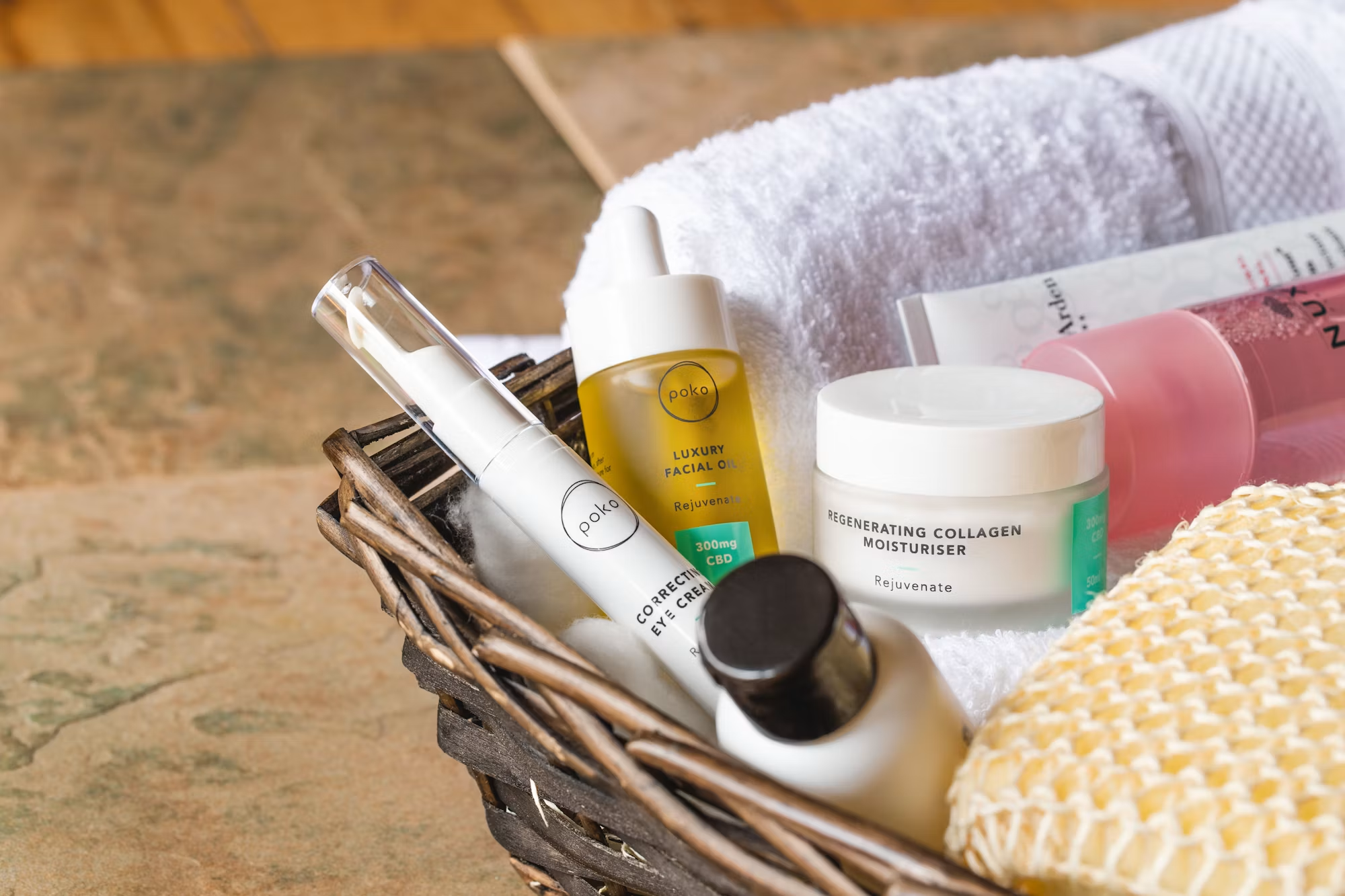
Once you have identified your skin type, the next step is to establish the basic components of your skincare routine. A typical regimen consists of cleansing, toning, moisturizing, and applying sunscreen during the day. Cleansing is the foundation of skincare, as it removes dirt, oil, and makeup from the skin’s surface. For normal and combination skin, a gentle gel or foaming cleanser works effectively. Dry skin benefits from cream-based cleansers that provide hydration while cleansing. For oily skin, a cleanser containing salicylic acid or tea tree oil can help regulate oil production and prevent breakouts. Cleansing should be done twice daily—once in the morning to refresh the skin and again at night to remove impurities accumulated throughout the day.
Following cleansing, toning is an often-overlooked step that can significantly enhance your skincare routine. Toners help to balance the skin’s pH and remove any remaining traces of cleanser or impurities. They can also prepare your skin for better absorption of serums and moisturizers. If you have oily skin, consider a toner with witch hazel or glycolic acid, which can help minimize pores and reduce shine. For dry or sensitive skin, choose alcohol-free toners containing soothing ingredients like rose water or aloe vera. Incorporating a toner can enhance the overall effectiveness of your skincare routine and promote a brighter, healthier complexion.
Moisturizing is a critical step that hydrates the skin and helps to lock in moisture. All skin types require hydration, so it is a misconception that oily skin does not need moisturizer. Lightweight, oil-free formulations are ideal for oily skin, while drier skin types benefit from richer creams that provide deeper hydration. For combination skin, you might consider using a gel moisturizer in oily areas and a cream in drier spots. Mature skin often requires products that contain anti-aging ingredients like peptides and antioxidants to maintain elasticity and combat fine lines. Daily moisturizing not only keeps the skin hydrated but also protects the skin barrier, helping to prevent moisture loss.
Sun protection is an essential component of any daytime skincare routine. Applying sunscreen is crucial in preventing sun damage, which can lead to premature aging and skin discoloration. A broad-spectrum sunscreen with an SPF of at least 30 should be applied daily, regardless of the weather conditions. Mineral-based sunscreens containing zinc oxide or titanium dioxide are effective for all skin types, especially sensitive skin. Make it a habit to apply sunscreen every morning, even on cloudy days, as UV rays can penetrate through the clouds.
In addition to these fundamental steps, incorporating targeted treatments can elevate your skincare routine. Serums and oils are concentrated formulations that can address specific concerns like dullness, fine lines, or breakouts. For instance, a vitamin C serum can brighten the complexion and improve skin texture, while hyaluronic acid serums provide intense hydration. If you have acne-prone skin, look for treatments containing niacinamide or retinol, which can help reduce breakouts and improve skin texture. When introducing new products, do so gradually and observe how your skin reacts to ensure compatibility.
Exfoliation is another vital aspect of maintaining healthy skin. Regular exfoliation helps to remove dead skin cells, promoting cell turnover and revealing a brighter complexion. Depending on your skin type, aim to exfoliate once or twice a week. Chemical exfoliants, such as alpha-hydroxy acids (AHAs) and beta-hydroxy acids (BHAs), are often gentler and more effective than physical scrubs. For sensitive skin, opt for milder exfoliating products to avoid irritation. Choosing the right exfoliation method can significantly enhance the effectiveness of your skincare routine, resulting in smoother and more radiant skin.
As you build your skincare regimen, consistency is key. Achieving healthy skin is a gradual process that requires commitment and patience. It’s important to stick to your routine and give products time to work; noticeable results may take several weeks to appear. Additionally, regularly reassess your routine to ensure it aligns with your skin’s evolving needs. Factors such as changes in climate, lifestyle, and hormonal fluctuations can all affect your skin, so being adaptable is essential.
A holistic approach to skincare also includes lifestyle factors that can significantly influence your skin’s health. A balanced diet rich in vitamins, minerals, and antioxidants supports overall skin health. Foods such as fruits, vegetables, nuts, and whole grains provide essential nutrients that can contribute to a glowing complexion. Staying adequately hydrated is equally important, as drinking enough water helps maintain skin elasticity and moisture. Regular physical activity boosts circulation, delivering oxygen and nutrients to the skin while helping to detoxify it. Additionally, managing stress through mindfulness practices, such as yoga or meditation, can positively impact your skin’s appearance, as stress is often reflected in skin conditions.
Choosing high-quality products is crucial for achieving the best results. Look for skincare brands that prioritize clean, non-toxic ingredients and avoid those containing harsh chemicals or artificial fragrances. Familiarizing yourself with ingredient labels can empower you to make informed decisions that benefit your skin in the long run. Brands that emphasize transparency in their formulations build trust with consumers and ensure that you are making choices aligned with your skincare goals.
Lastly, never underestimate the importance of self-care in your skincare routine. Taking time for yourself to indulge in your skincare regimen can be a delightful experience. Consider setting aside a few moments each day to enjoy the ritual of applying your products. This practice not only enhances your skin’s health but also provides a sense of relaxation and well-being. Self-care is a vital aspect of maintaining a healthy relationship with your skin, ultimately boosting your confidence.
In summary, tailoring your skincare routine involves understanding your skin type, establishing essential steps, and incorporating targeted treatments. By embracing a holistic approach that includes healthy lifestyle choices and self-care practices, you can achieve a radiant complexion. Remember that consistency and patience are paramount; over time, your dedication will be reflected in your skin’s overall health and appearance. Embrace your skincare journey, and enjoy the transformative effects of a well-rounded regimen.